Barstools: Gas-Lift Swivel or Fixed Height? A Buyer’s Guide
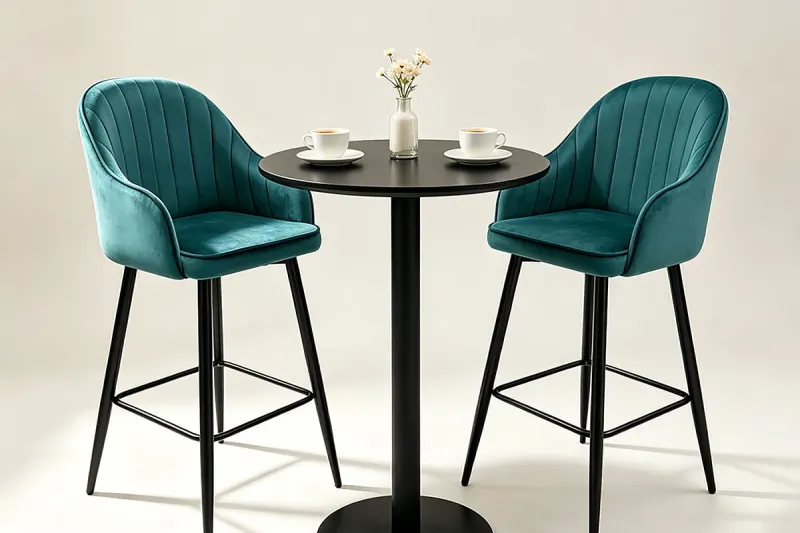
The two barstool families look similar on a catalogue page and behave very differently in the market. Here is how to choose between them — and what to check before you order.
Barstools split into two families, and the split is not cosmetic — it decides your price point, your returns rate and which customers can sell them. Getting this wrong is one of the most common first-order mistakes we see.
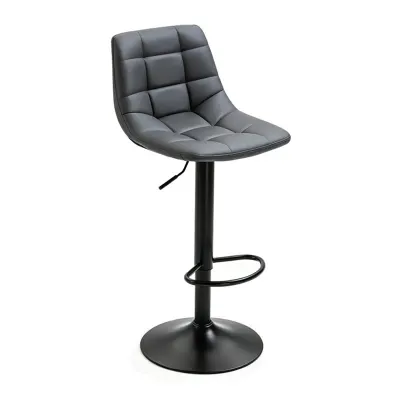
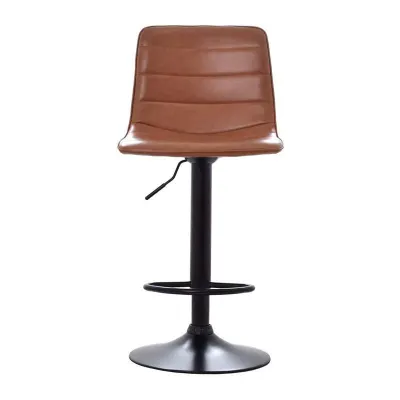
Gas-lift swivel barstools
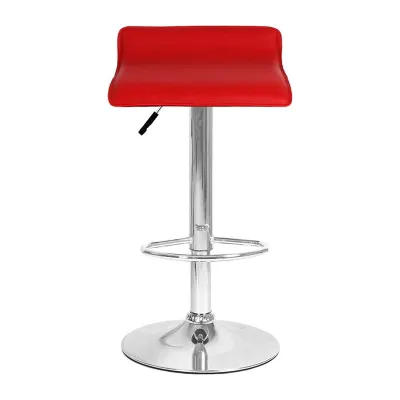
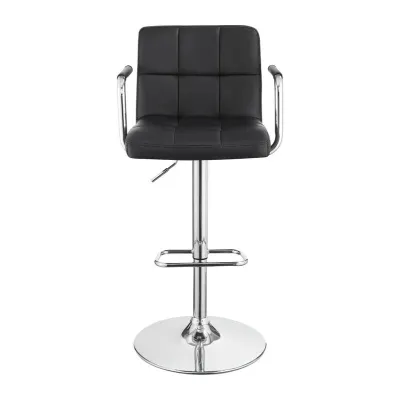
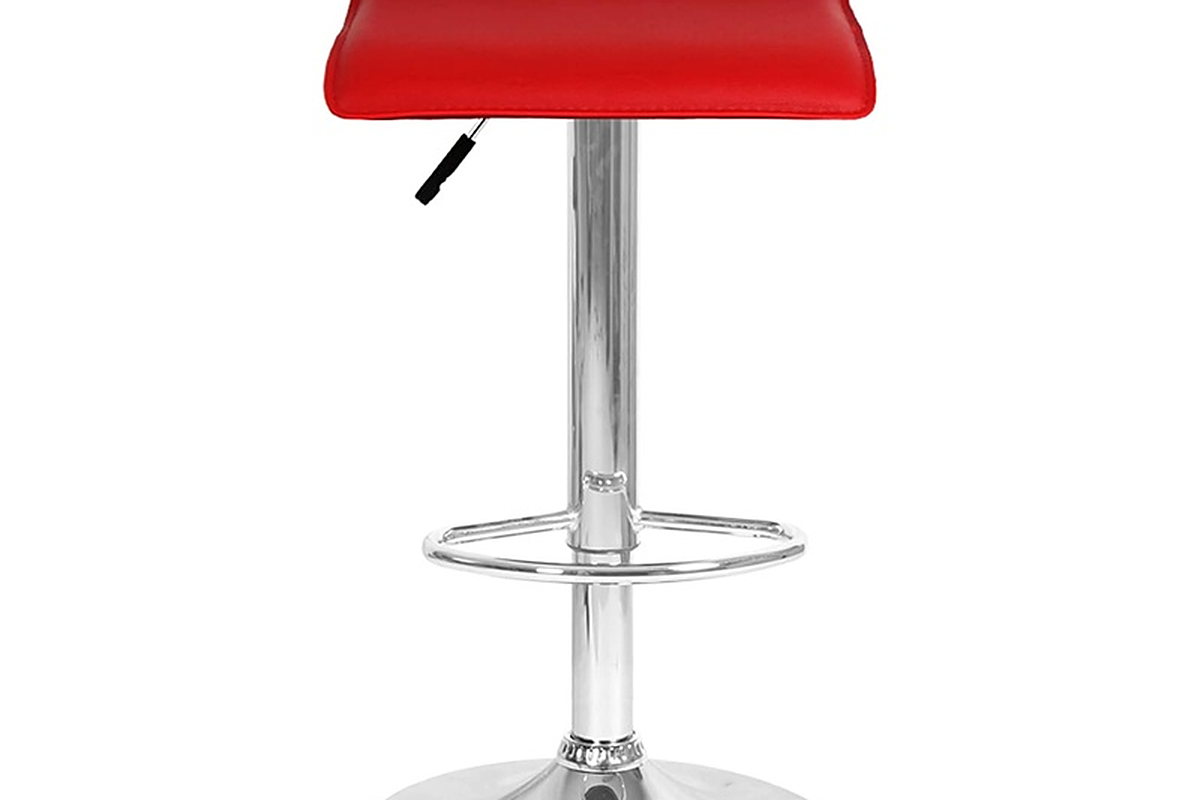
A metal column with a gas lift, a 360° swivel seat and a round base with an integrated footrest. This is the format most buyers picture when they think “barstool”.
- Strengths: adjustable height fits counters from 90 cm to 110 cm, so one model covers many homes and venues; the swivel is a genuine selling point in retail.
- Where it wins: kitchen islands, home bars, cafés, showrooms — anywhere the counter height is not fixed in advance.
- Watch out for: the gas lift itself. It is the component that fails first, so ask what grade the cylinder is and insist on a function test of every single unit, not a sample.
- Our models: MSA169 (Adjustable Bar Stool with Chrome Base), MSA181-B (PU Leather Swivel with Armrest), MSA186 and MSA202 (360° Swivel PU Leather) — waterproof PU leather over a chrome or matte black column.
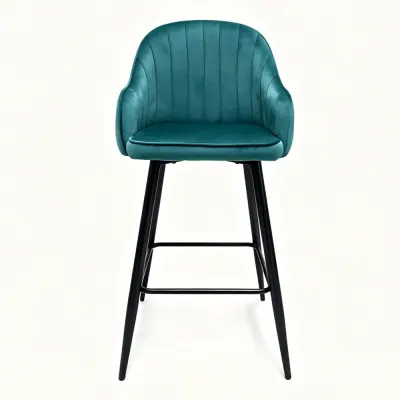
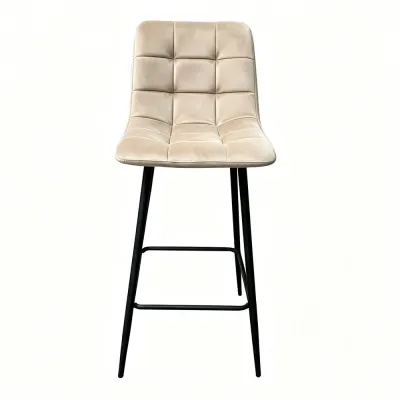
Fixed-height barstools
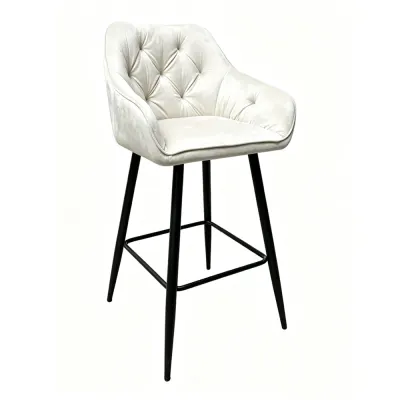
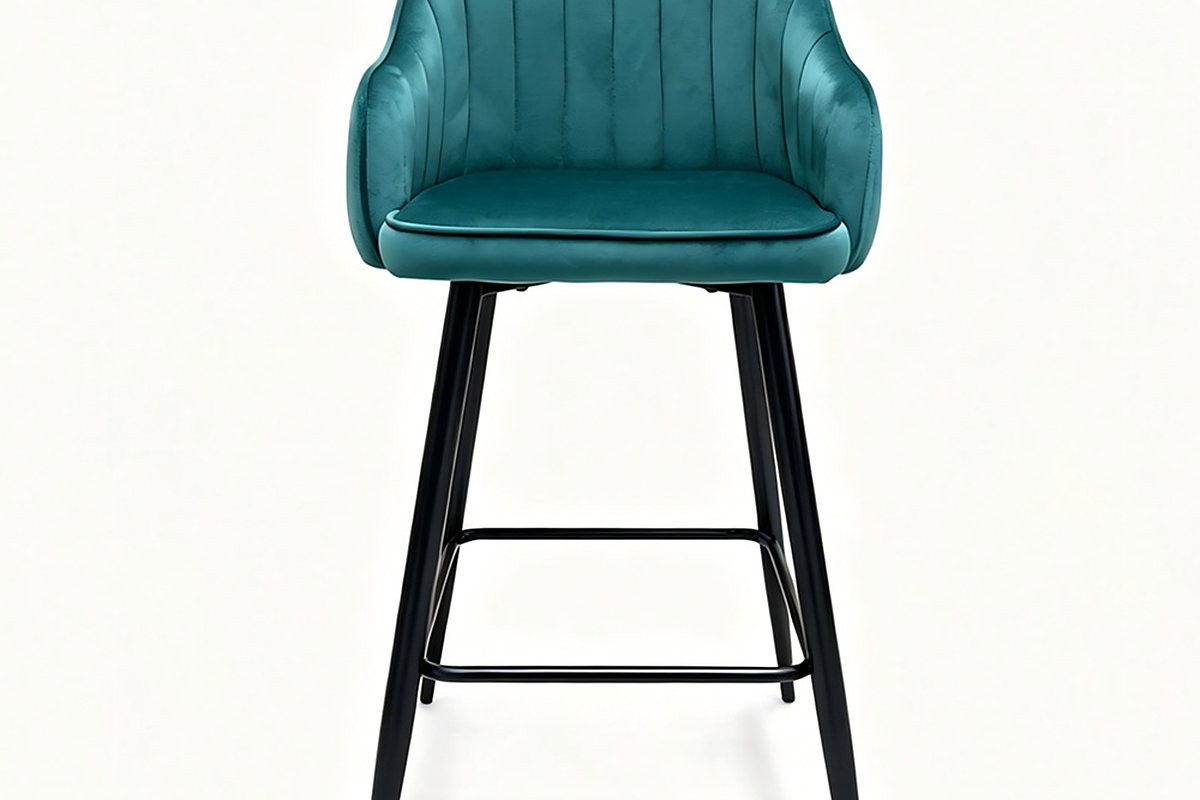
Four tapered legs, a fixed seat height and a footrest bar. Structurally simpler, visually warmer, and now the faster-growing of the two families in Europe.
- Strengths: no moving parts to fail, a wider choice of upholstery and colour, and a look that sits better with timber and velvet interiors.
- Where it wins: residential retail, restaurant refurbishments with a fixed counter height, and any market where design drives the purchase.
- Watch out for: you must specify the seat height against the customer’s counter. Get it wrong and you get returns.
- Our models: MSA125 (Elegant Velvet Bar Stool with Footrest), MSA126 (Star Tufted with Armrest) and MSA129 (Grid Tufted) — velvet on matte black tapered metal legs.
Choosing between them
| Gas-lift swivel | Fixed height | |
|---|---|---|
| Height adjustable | Yes | No — specify seat height |
| Moving parts | Gas cylinder + swivel plate | None |
| Upholstery options | PU leather, fabric | Velvet, fabric, wide colour range |
| Best channel | Kitchen, café, contract | Residential retail, design-led retail |
| Returns risk | Function failure if cylinder is poor | Wrong seat height if not specified |
What to check before you order
- Counter height first. Measure the target counter, then choose seat height. Standard bar counters are 90–95 cm and need a 65–75 cm seat; kitchen islands are often 90 cm and need a 60–65 cm seat.
- Weight rating. Ask for the tested static load, not the marketing figure.
- Footrest. A barstool without a usable footrest is uncomfortable no matter how good the seat is. Check both the height and the surface area.
- Function test. For gas-lift models, insist on a 100% function test on the production line. We do this on every order.
Both families are on the site under barstools, with MOQ 100 pcs per model. Send us the counter height and your target retail price, and we will shortlist the models that fit.